|
Shin Splintsby Kerrie/Joe answer by Marius
Shin Splints
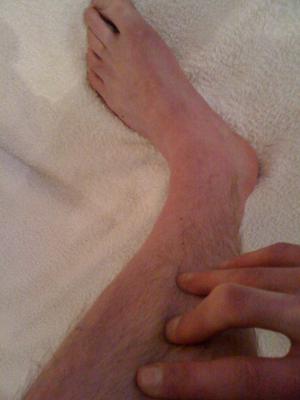
Shin splints is a common "unspecific" way of explaining a front side leg pain which is common for runners. I received two questions from two readers concerning this and will try and explain a few things about shin splints and how to get rid of it/deal with it. How To Deal With Shin SplintsIt is important to be aware of that shin splints are usually a muscular problem. Most are not aware of this - it is a common misconception (among doctors and runners) that this is caused by the tight fascias/localized problems that occur when training too much. The main problem in my experience, however, is due to overworked muscles with too high tension. To be more specific the flexor muscle going to the big toe. Take a look at the photo I have added above. There I have palpated how this muscle goes : it goes right next to the front tibial bone of the leg. So if you feel there yourself and it is painful - and if you also have pain especially in the toe-off, then this is likely the problem. Kerrie, there are three main way you can fix this : 1. Use compression socks when training Get a pair of compression socks (similar to those used on long flights) and do your runs with these. This helps release muscular tension and the "recovery" of the overstrained muscle. 2. Alternate running and walking Try to run/walk the sessions instead of just running. You may want to use this type approach that I have talked about here coach to 5k 3. Alternate running and the bike plus self cross friction massage of the muscle If you alternate running and the bike you can release some of the tension and make the shin split problem much less as well. Plus, try and massage the muscle itself - about every other day. The overweight you talk about can be an issue but with these adjustments you should be alright to continue running. Now to the question from Joe. Shin Splits When Approaching A MarathonMy advice to you is similar to the ones given to Kerrie : get compression socks and use them on all workouts and alternate running/walking for the at least a week/10 days to come. And do self massage. I do not recommend full rest - even if you are tapering of your marathon training. This causes the muscles to go into "resting mode". You can rest fully now for 3-4 days but after that try the running/walking alternation way to keep the legs somewhat going, together with the other advice. If you feel ok after that, you can slowly get in 1-2 sessions of some strides/shorter intervalls + some full runs before the marathon and you will be fine. I wish you both all the best with your running! Regards, Marius
Join in and write your own page! It's easy to do. How? | |